Club History
The Lyndale Football Netball Club was established in 1986, with senior teams first competing in 1987 after evolving from a strong junior foundation.
The club experienced early struggles before becoming competitive and reaching its first finals in 1993. That same year marked a tragic moment in club history, with the loss of six members in a plane crash, a defining event that shaped the club’s resilience and community spirit.
Success soon followed, with the club securing its first senior premiership in 1995 and continuing to build through the late 1990s and early 2000s, including multiple premierships and finals appearances.
While the club has faced challenges in more recent years, it remains committed to growth, development, and maintaining a strong community presence within the Southern Football Netball League.
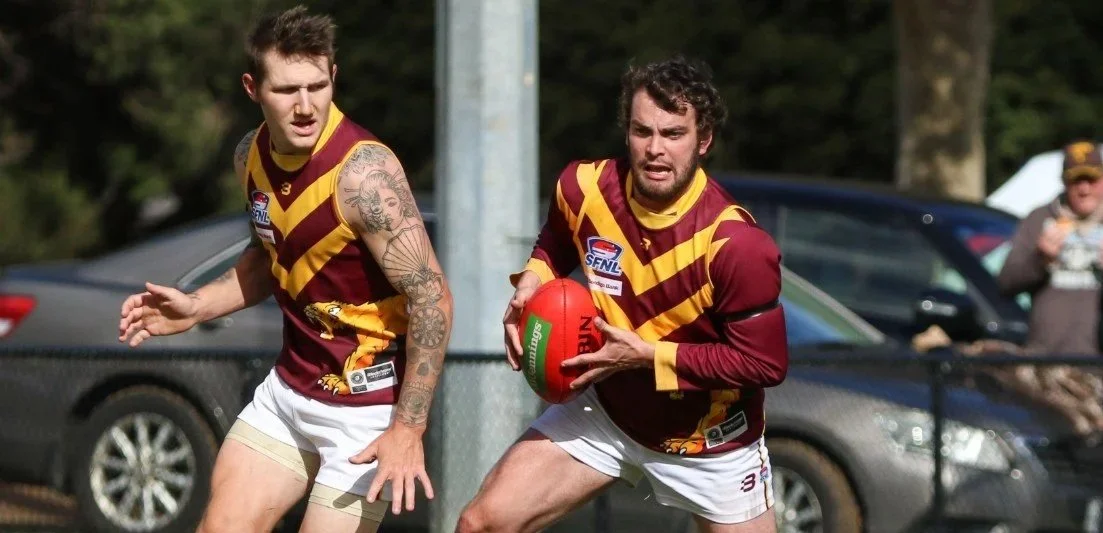
Honour Board
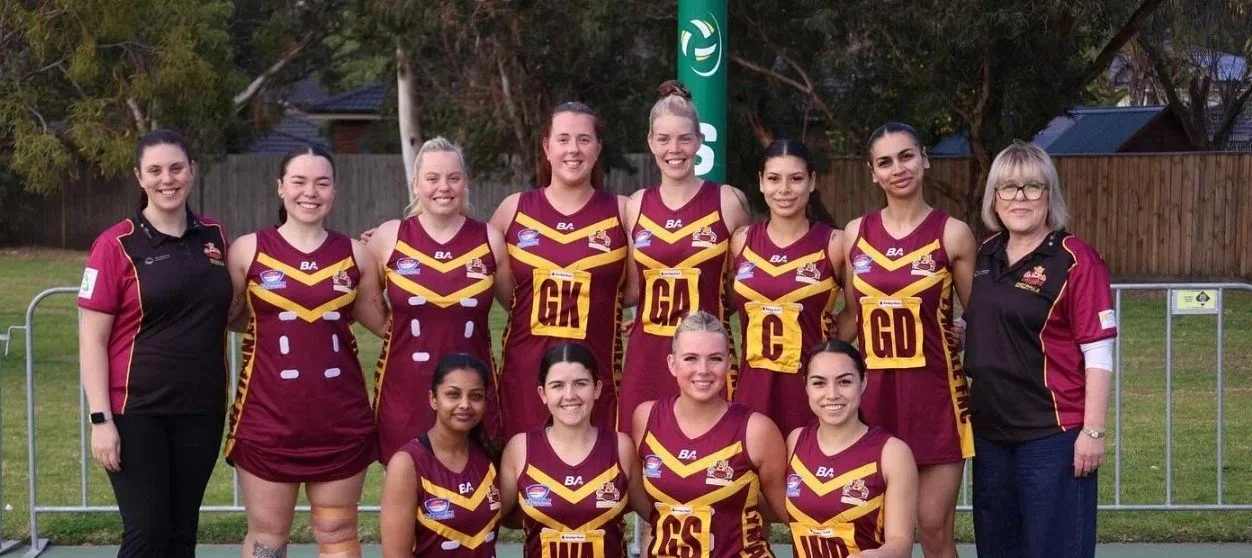
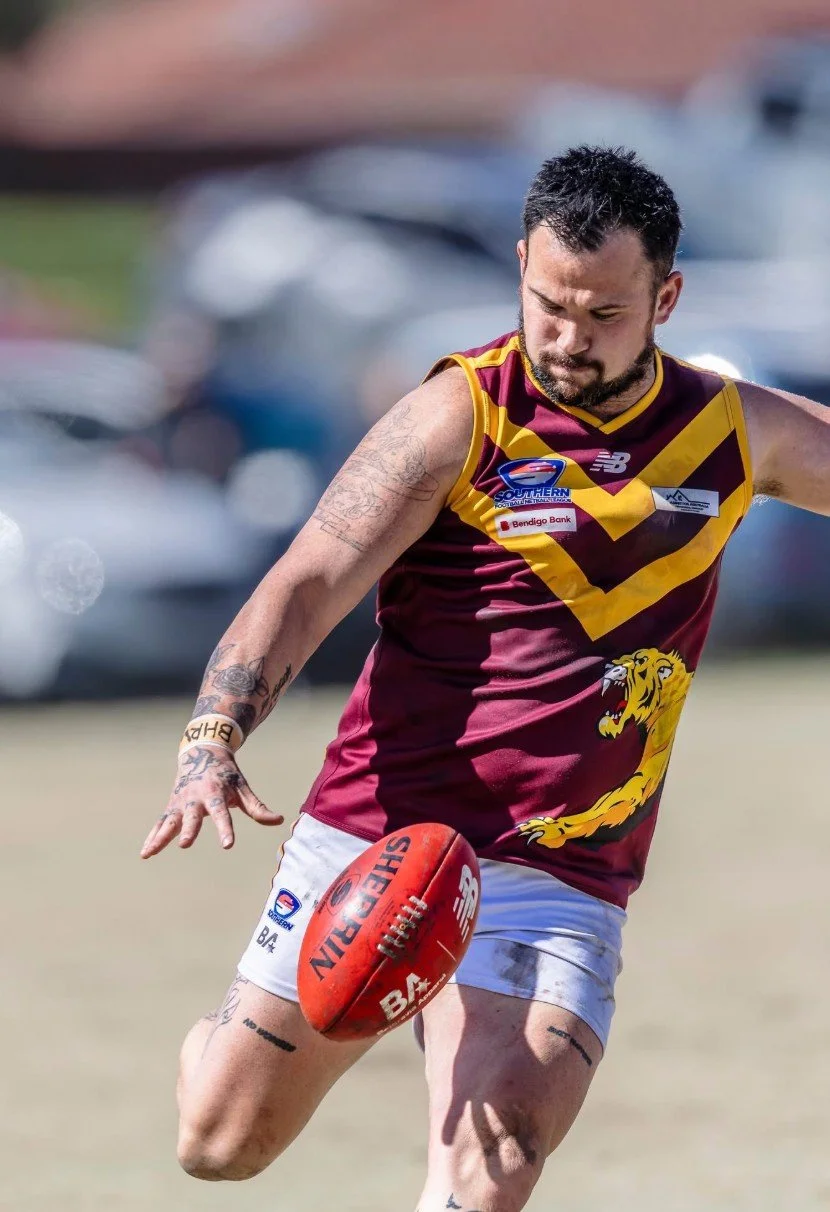
The Honour Board recognises the achievements and contributions of Lyndale Pumas players, coaches, and teams across both football and netball. It highlights key awards such as Best & Fairest winners, coaches, and major club honours, celebrating those who have made a lasting impact on the club.

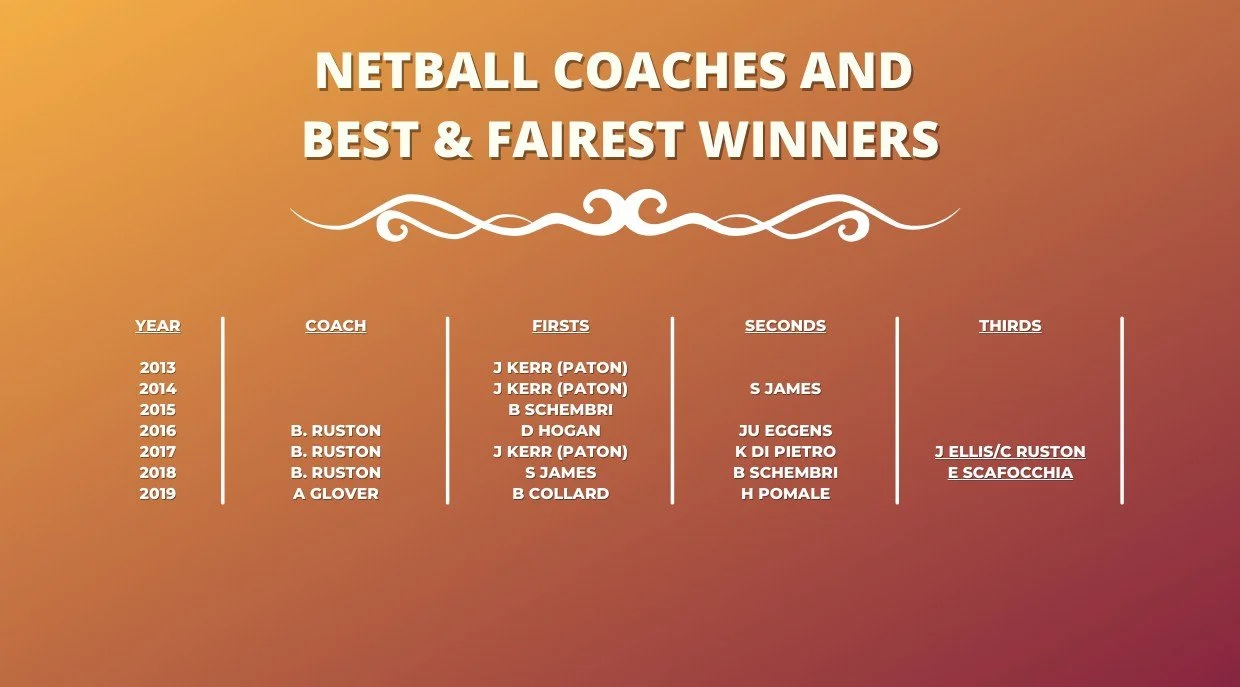
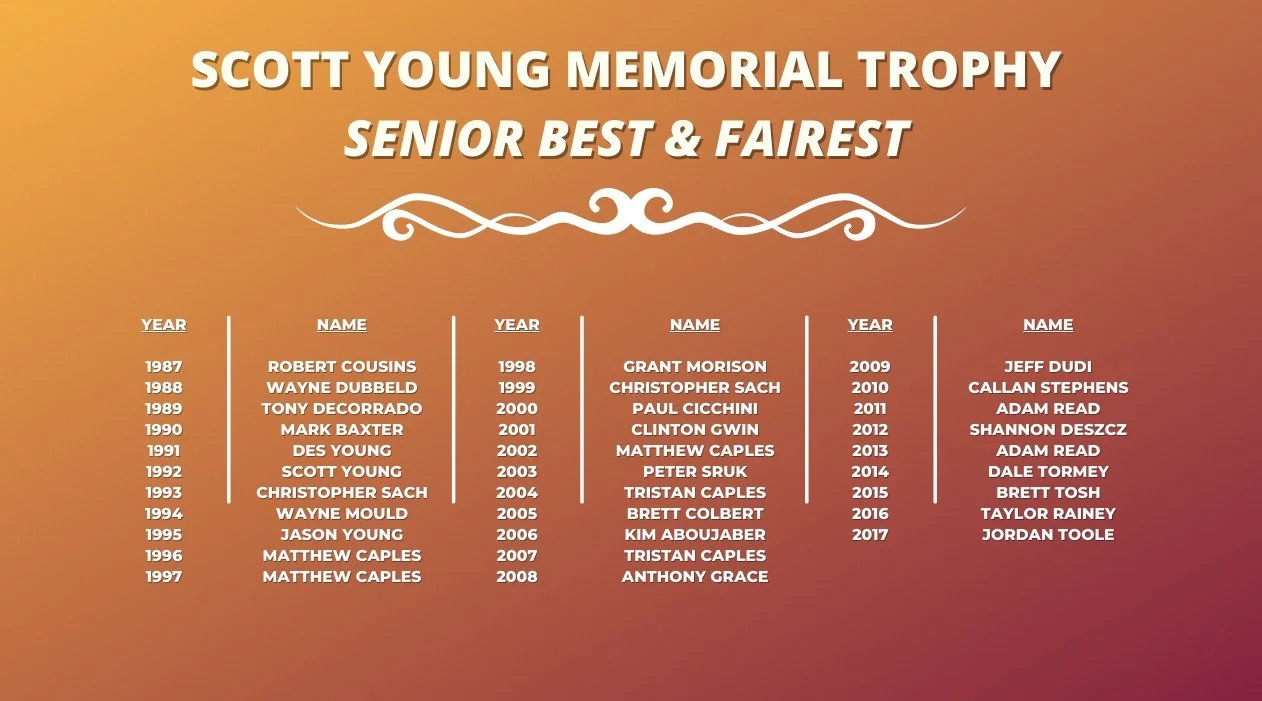
Player Milestones
The Lyndale Pumas proudly recognise players who have achieved significant game milestones, reflecting dedication, loyalty, and long-term contribution to the club.
100+ games;
Shane Batty, Scott Brenchley, Jason Byrne, Peter Carlon, Brett Colbert, Matthew Collard, Ben Cox, Peter Dovaston, Darren Fisher, Clinton Gwin, Jimmy Haglioglou, Rodney Helyard, Matthew Keane, Jared McEwan, Darren Ruston, Peter Shukosky, Dexter Siriwardene, Jonny Smart, Matthew Stuart, Brett Tosh, Darin Williams, Damien Wilsnach, Cameron Wormersley, Roger Wynen
150+ games
Steven Boardman, Mick Halstead, David Khan, Andrew Pawsey, Anton Sabljak, Dale Walker, Jason Young
200+ games;
Bryan Grundy, Matthew Caples, Tristan Caples, Murray Collard, Stuart Graham, Mark Greene, Glen Munro, Kenny Smart
250+ games;
Andrew Clappers, Justin King, Dean Shukosky, Dale Weston
300+ games;
Terry King
400+ games;
Ed McLean
These milestones celebrate players who have made a lasting impact both on and off the field.
Club History (cont.)
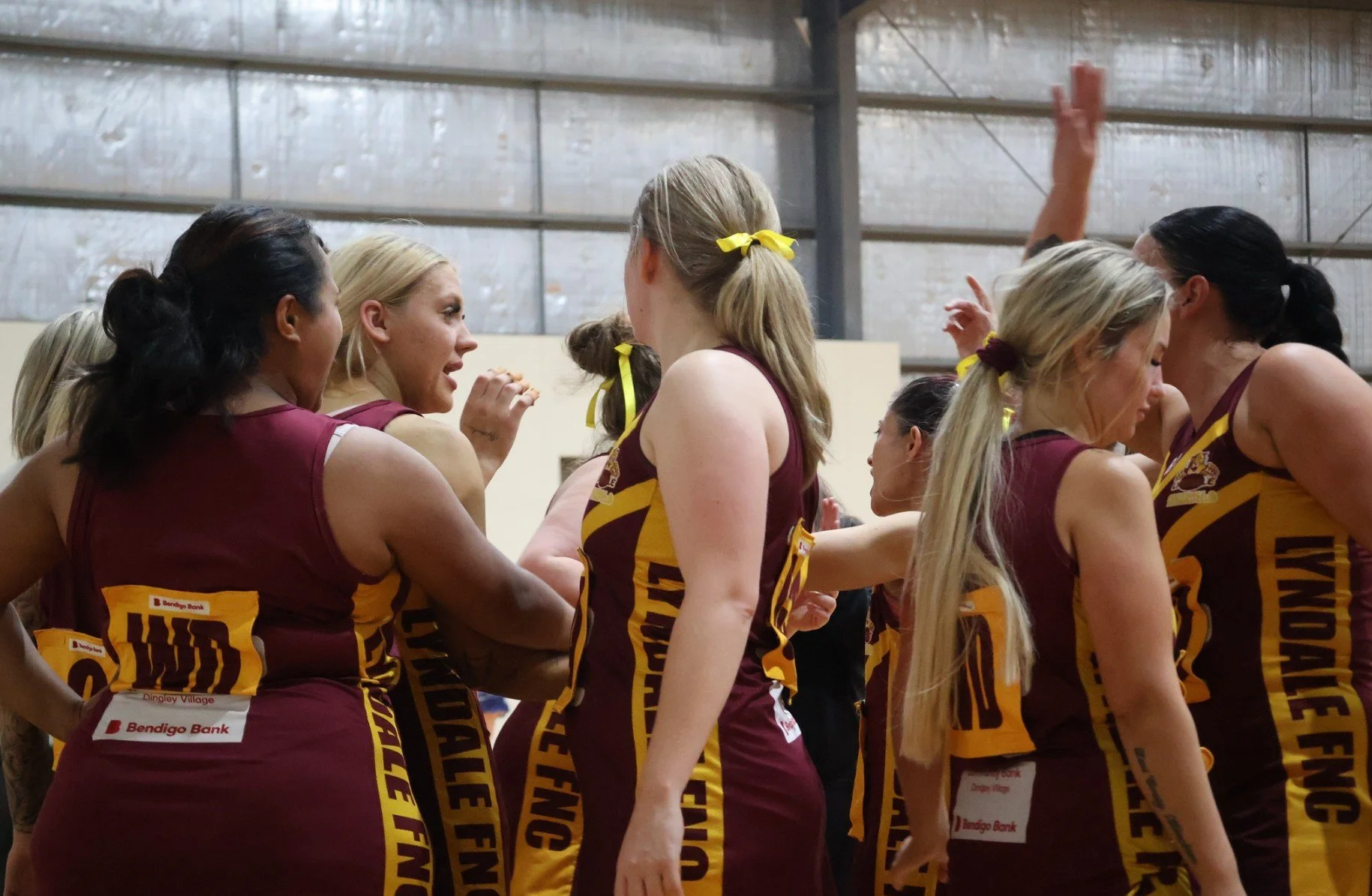
The Lyndale Senior Football Club was officially formed in 1986 by the Lyndale Junior Football Club committee, building on a junior history dating back over 25 years. The senior side first took the field in 1987 in the South East Suburban Football League, with early years focused on development, resilience, and building competitiveness.
After a coaching change and a move into the Eastern Suburban Churches Football Association, the club steadily improved, reaching its first finals appearance in 1993. That same year, the club endured a devastating tragedy on a post season trip to Tasmania, when a plane crash claimed the lives of six members and left others injured. This moment profoundly shaped the club’s identity and strength.
The mid 1990s marked a turning point, with an influx of new players and renewed determination leading to the club’s first senior premiership in 1995. This success set the foundation for a strong era, with multiple finals appearances and continued growth across both senior and reserve teams.
In the late 1990s and early 2000s, the club experienced both promotion and relegation between divisions, but also celebrated further premiership success, including senior and reserves flags, driven by strong recruiting, junior development, and committed leadership.
The 2000s brought mixed results, with periods of finals football alongside rebuilding phases, coaching changes, and challenges with player retention. Despite setbacks, the club maintained its fighting spirit and continued to develop homegrown talent and leadership from within.
By the 2010s, the club faced a difficult period competitively, including a winless senior season in 2010, followed by a return to lower divisions and ongoing rebuilding efforts. However, renewed leadership and coaching changes saw improvement, highlighted by strong finals campaigns and a reserves premiership in 2014.
Since then, the Lyndale Pumas have continued to focus on rebuilding culture, strengthening community connection, and developing the next generation of players. While results have fluctuated, the club remains defined by resilience, unity, and its deep community roots, proud of its past and focused on its future.